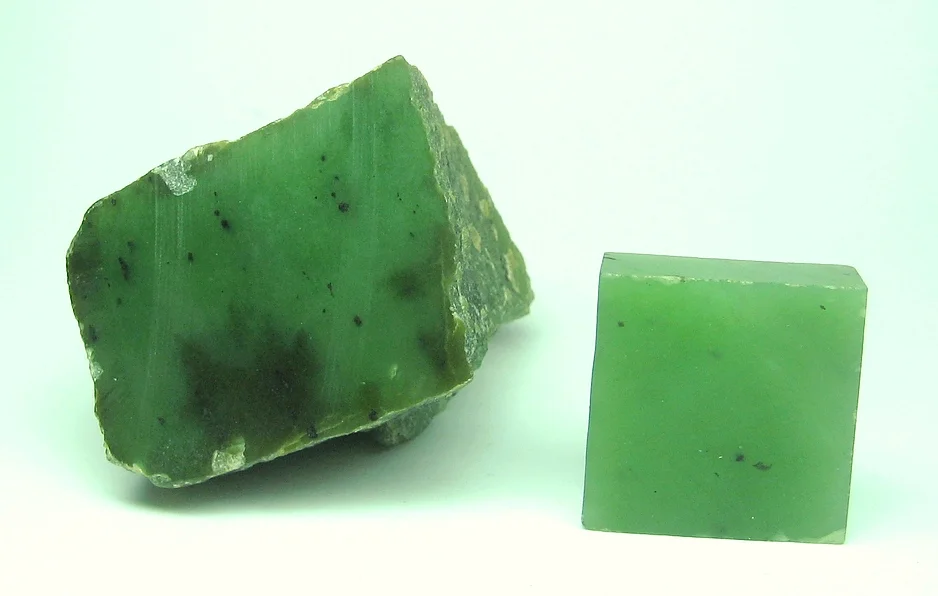
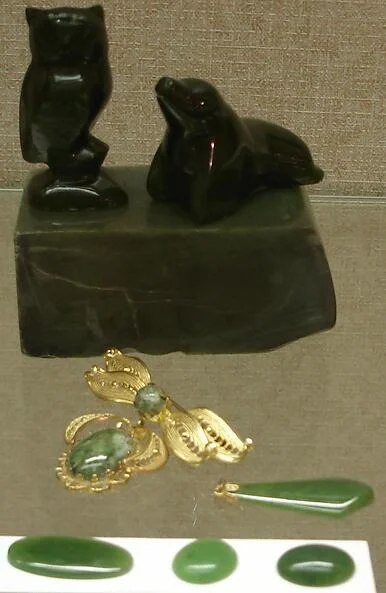
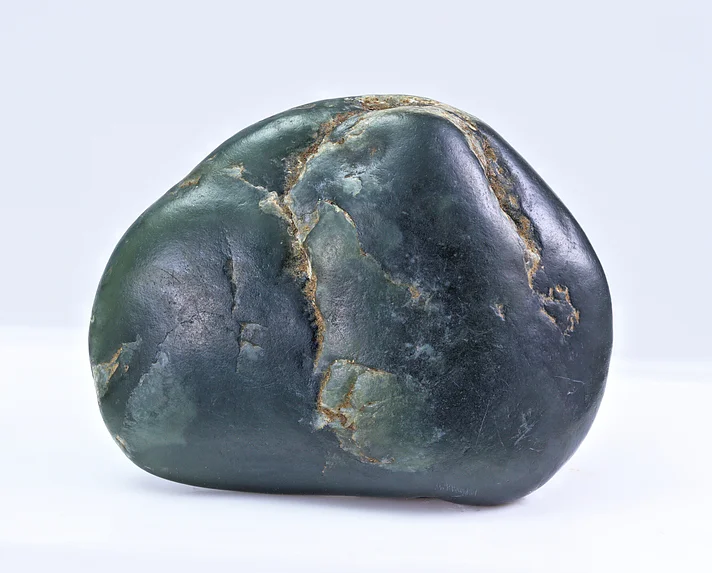
Jade is a captivating gemstone with a rich history that stretches back thousands of years, renowned for its enchanting green hues. Revered as 'the stone of heaven' in the Far East, jade has long been a symbol of wealth, purity, and nobility, especially in Chinese culture. Throughout history, it has been believed to bring health, happiness, and protection to its bearer. Not only is jade admired for its beauty, but also for its powerful effects in maintaining spiritual and physical balance.
What Are the Recognized Properties of Jade?
Jade is celebrated for its unique beauty, characterized by its smooth texture and vibrant green color, though it can also be found in white, yellow, and even purple shades. With a Mohs hardness rating of 6-7, jade boasts durability and resilience. In ancient times, particularly in Eastern cultures, it was believed to bring good fortune, provide protective energy, and cleanse negative energies. Jade is also thought to support emotional equilibrium, offering peace and calm to its wearer. Using jade in jewelry can help individuals feel more balanced and serene.
How to Cleanse and Charge a Jade Stone?
To maintain and enhance the energy of a jade stone, regular cleansing and recharging are recommended. Clean your jade by gently washing it with mild soapy water and drying it with a soft cloth. You can recharge its energy by placing it in sunlight or under a full moon. Additionally, placing it among other natural stones can renew its energy. Avoid using chemical cleaners, as they can damage the stone's natural structure.
Which Chakra is Activated by Jade?
Jade is closely associated with the heart chakra, which governs love, compassion, and emotional balance. It can help strengthen one's relationships with themselves and others by activating this chakra. Jade is also believed to assist in healing emotional wounds and promoting inner peace. Holding a jade stone over the heart chakra during meditation can help balance this area and foster a love-filled life.
How to Identify Genuine Jade?
Identifying genuine jade from imitations requires careful observation and knowledge. Firstly, authentic jade stones typically feel cold to the touch and retain this coolness for a long time. Secondly, upon close inspection, natural jade surfaces often exhibit various mineral traces and patterns. The color of the stone can also be indicative; an overly bright and uniform green hue may suggest a fake. Consulting a professional appraiser or purchasing from a certified source can provide more definitive assurance.